
The Difference Between Interpreter Placement and Student Support
Interpreter placement alone does not guarantee access. Learn the difference between basic coverage and meaningful support for Deaf and Hard of Hearing students.

Interpreter placement alone does not guarantee access. Learn the difference between basic coverage and meaningful support for Deaf and Hard of Hearing students.
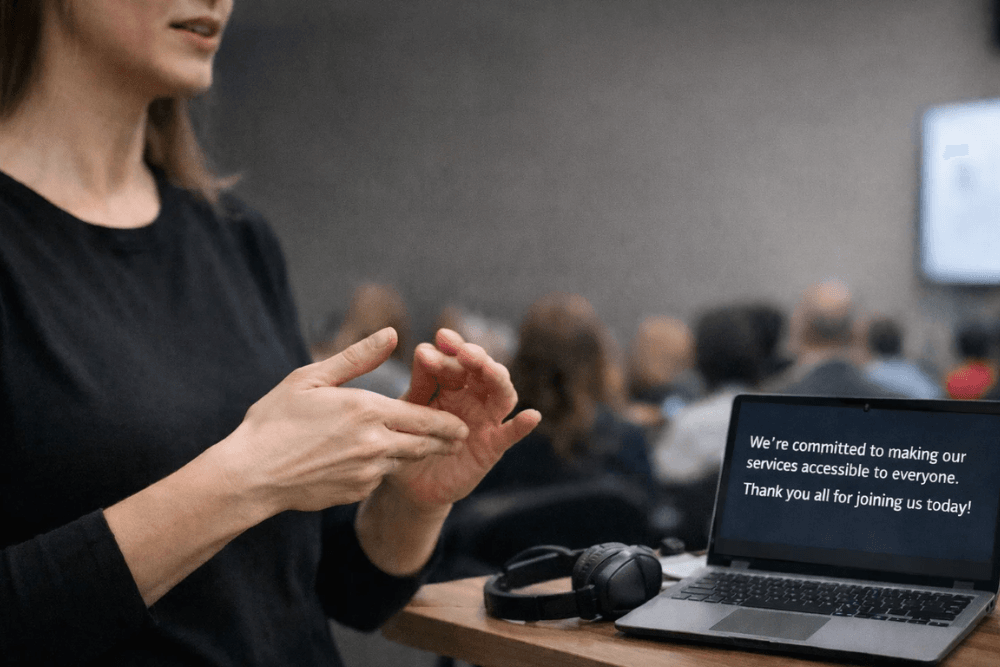
ASL interpreting and captioning are often added late in the process. Sometimes they are treated like a technical add-on instead of what they really are, a core part of communication.
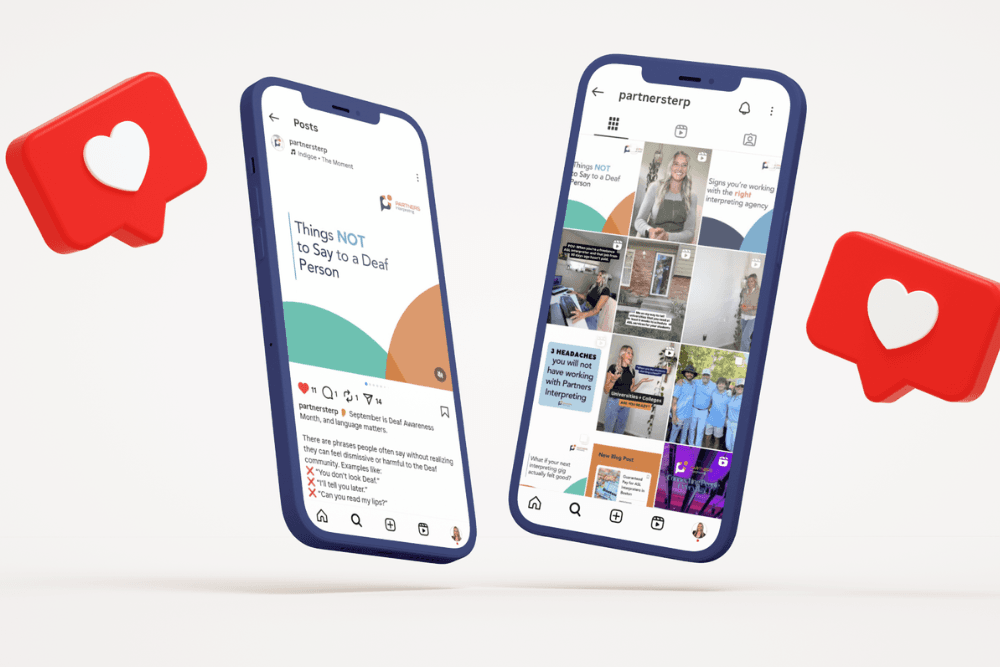
Well-meaning words can unintentionally exclude. From “You don’t look Deaf” to “Never mind,” these phrases create barriers. In this post, Jessica unpacks 11 things to avoid saying to a Deaf person, offering better ways to foster truly inclusive communication.

Disability isn’t always visible, and true accessibility isn’t always a ramp. A recent experience at a theme park revealed how a simple policy, not a tool, can be the most profound form of acknowledgment for the unseen effort of navigating the world.

After organizing hundreds of CART projects nationwide, I’ve answered every question about Communication Access Realtime Translation. This guide reveals what event planners really need to know about professional live captioning versus automated alternatives.
Captioning converts audio into synchronized text, but quality captioning goes beyond transcription. It includes speaker identification, sound effects, and music descriptions to provide complete accessibility for deaf and hard-of-hearing viewers and broader audiences.

The European Accessibility Act (EAA) will soon require many US businesses to enhance their digital accessibility for any EU customers. While this may seem like a compliance hurdle, it’s actually a major strategic opportunity. The EAA forces an investment in a global accessibility framework, which smart companies can then leverage.