Global Digital Standards Tighten as AI Captioning Scales
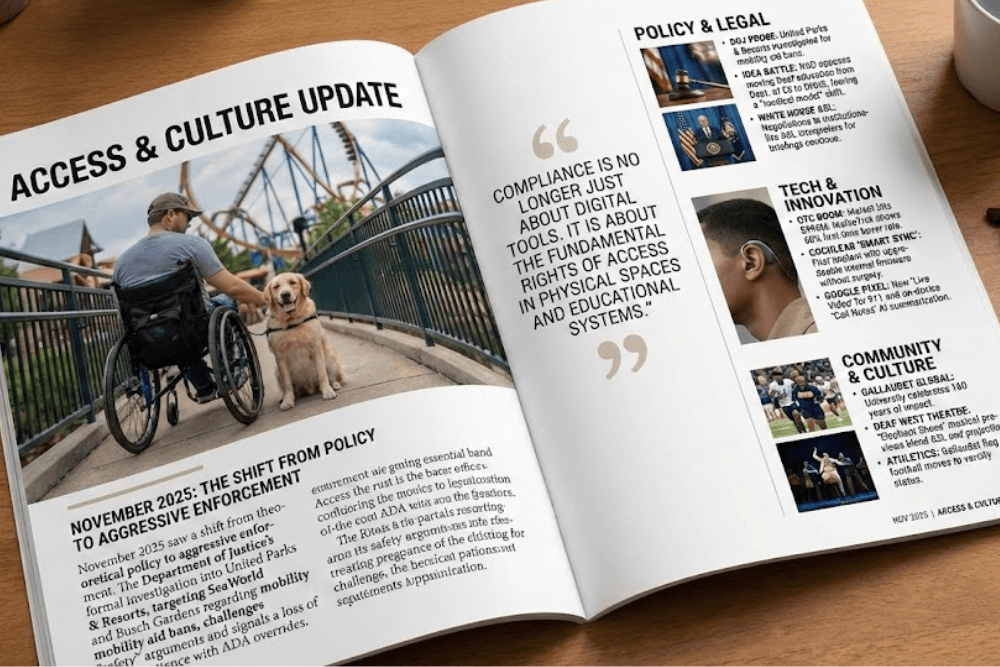
This month brings aggressive DOJ enforcement against theme parks, a major NAD policy battle over IDEA, and breakthrough emergency tech from Google. Here is your executive summary for November 2025.
ASL and Deaf Accessibility News

From groundbreaking DeafBlind language research to DOJ hospital settlements and Deaflympics VRS waivers, late September brought pivotal Deaf accessibility developments. Indigenous interpreters bridge cultural gaps while workforce shortages challenge schools. Here’s what shaped Week 40 in ASL advocacy and policy.
ASL News Roundup: Oakland Airport’s Free Interpreting, HBO Max Access, Maryland Licensing

From Oakland Airport’s groundbreaking free ASL service to HBO Max’s interpreter feature for Superman, this week marked pivotal moments in Deaf accessibility. While celebrating International Week of Deaf People, the community also faced federal funding cuts threatening vital educational programs.
Buzz Lightyear Signs, San Antonio Celebrates, and AI Learns ASL
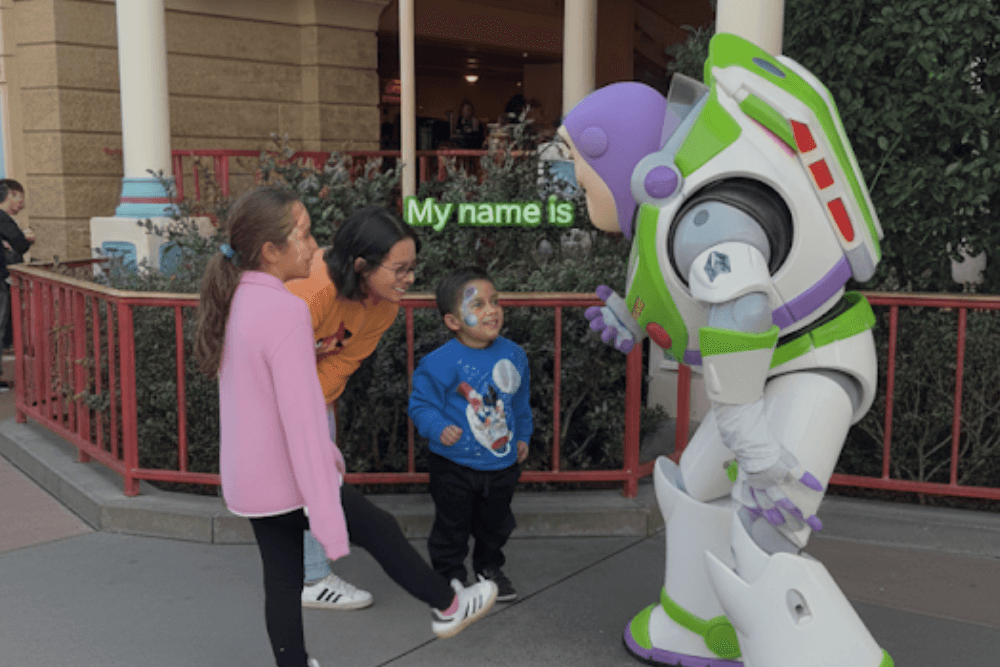
From a Space Ranger’s fluent signing that captivated millions to San Antonio’s decade-awaited festival revival, this week delivered powerful reminders that accessibility creates magic. Plus: museums experiment with AI interpreters while the FCC shapes policy that affects millions of Deaf Americans.
Deaf Awareness, Policy Shifts, and New Tech

From Deaf Awareness Month celebrations to new AI research and a federal settlement on ASL rights in prisons, this week’s stories show how advocacy, policy, and technology are reshaping accessibility. Culture, innovation, and accountability remain the threads tying it all together.
11 Things NOT to Say to a Deaf Person
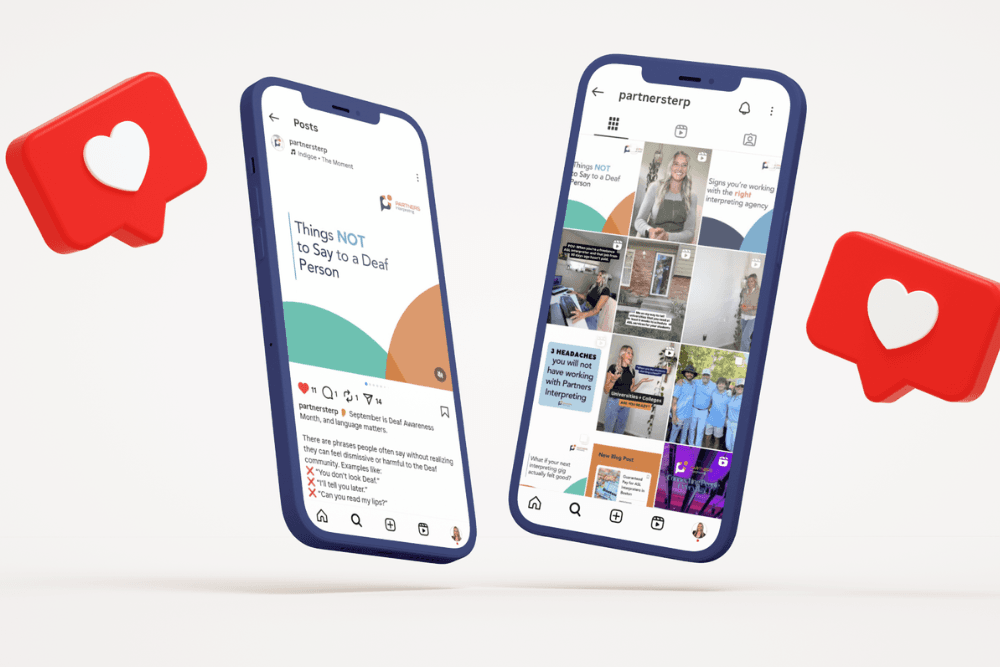
Well-meaning words can unintentionally exclude. From “You don’t look Deaf” to “Never mind,” these phrases create barriers. In this post, Jessica unpacks 11 things to avoid saying to a Deaf person, offering better ways to foster truly inclusive communication.
This Week in Deaf News, from AI Ethics to Policy Battles

ASL news roundup. From a lawsuit demanding ASL at the White House to a fierce debate over AI’s role in sign language, the Deaf community is fighting for authentic representation and holding institutions accountable.
This Week in Deaf Community News
A Manitoba minister’s complaint about an ASL interpreter backfired spectacularly this week, sparking sweeping policy reforms and kicking off seven days of remarkable breakthroughs across the Deaf community.
Human Communication vs. The Neuralink “Cure”
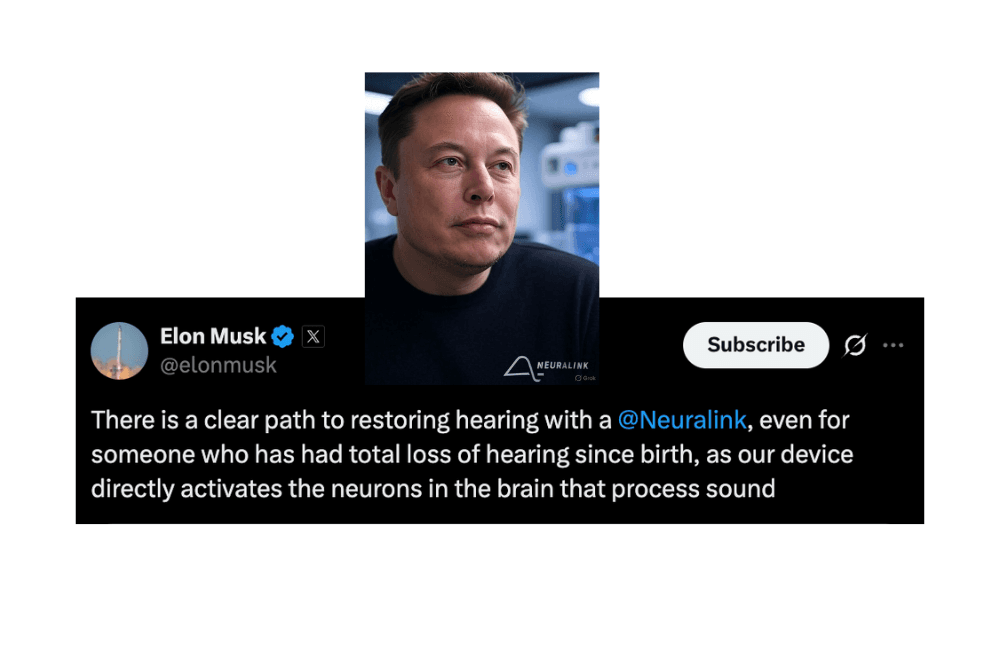
The debate around a technological “cure” for deafness presumes it is a bug to be patched. This view misses that Deafness is a culture and that communication is a human art. Technology cannot replace the empathy, context, and nuance a human ASL interpreter provides.